Introduction
Effective through-the-gate support can be the difference between someone leaving prison with a realistic chance of rebuilding their life and becoming overwhelmed by the challenges that await them. As highlighted in Clinks voluntary sector-led manifesto, successful resettlement depends on support that is tailored to individual need, underpinned by early planning and clear communication, and coordinated through effective information sharing between statutory and voluntary sector organisations. We have also called for the commissioning of a national network of Departure Lounges to provide a practical, one-stop-shop model of support on the day of release.
These recommendations are brought to life in this guest blog by David Dunn from Release Mates, which draws on lived experience to illustrate why the first hours and days after release matter so much, and how compassionate, coordinated support can provide people with the stability, hope, and practical assistance they need to make a positive start in the community.
The Reality of Prison Release
If social and mainstream media were to be believed, release from prison is a joyous celebration with high speed supercars, popping champagne corks, and emotional scenes of family members running towards loved ones in slow motion as they pass through the gates. It’s not, therefore, unsurprising that this crucial period in a person’s life is often overlooked.
From my own last release from prison almost 5 years ago, I remember my feelings more than the material circumstances. I was fortunate; I had safe accommodation to go to, I was released from a city centre prison meaning all amenities were nearby, and I was in a place that I was familiar with. But the feelings rocked me. My last 6 months in custody were spent on a drug and alcohol recovery unit where I was a mentor. When release day came, I left my belongings with others on the wing, said my farewells, and I recall feeling optimistic as I walked from my cell to the reception area by the gate. For me, this was it. This was the moment my life was going to change forever. I’d worked hard on my recovery from addiction and was determined to continue this in the community. When the gate opened and I took my first steps into freedom, that optimism evaporated. There was no great fanfare, just a busy city centre getting on with life. Within 5 minutes of being released and despite my commitment to sobriety, I stood outside a well known, reasonably priced high street pub chain, physically taking one step towards the entrance, then one step back. I felt lost and vacant. I remember thinking that I deserved a quick pint; fortunately, I resisted temptation.
What I Saw Returning to Prison
In the coming months, I returned to that prison as a volunteer decorating a Departure Lounge. What I saw affected me. Men were being discharged with very little money, without the necessities to live, and with no hope for a better future. Many of the lads I met were vulnerable: the prison swagger had gone and they were hit harshly with reality. Many didn’t have accommodation to go to, didn’t know where the train station was, and looked entirely confused.
It became noticeable that each person wanted to chat with me as I had left prison and was doing OK. Those conversations were emotional. Compared to many of the men I spoke with, my release from prison didn’t seem so bad. The most despairing aspect was the lack of hope or ambition for a fresh start and a better future.
Why We Created Release Mates
We set up Release Mates to provide practical support and hope to people in the immediate hours and days after release. Intensive support during this transition is essential. Each member of our team has been in prison, sustained recovery from addiction in the community, and has not reoffended. Two things made perfect sense to me: If someone is going to succeed after prison, they need to get off to a good start, and there is nobody better to provide support with that good start than people who have left prison and not returned.
Release Mates offers two levels of support that show what effective Through-The-Gate support ought to look like:
The Departure Lounge: A Better Start
First, our Departure Lounge acts as a practical one-stop-shop model. Instead of relying on piecemeal good intentions, the justice system should commission a national network of these lounges. Our lounge is stocked with quality non-perishable food, toiletries, and donated clothes. We emphasise quality donations because feeling human is remarkably helpful when trying not to reoffend. The atmosphere is friendly, warm, and compassionate, designed in complete contrast to prison. We listen, share our own stories, assist with links to public transport, and ensure no one leaves without a means of contacting us.
As soon as the welcoming environment was established, other services began to join us each morning waiting for men to be released. In one place, people can sort benefits, ring probation, wait for family, get help from other services, and then get a lift to public transport links.
Preventing People from Falling Through the Cracks
There is no doubt that the prison population has become more complex in recent times. Homelessness, addiction, mental ill-health, and neurodiversity, without adequate funds to effectively treat the issues, have made successful resettlement more difficult than before. Fixing this requires clear structural reform: support must be tailored to individual needs through early pre-release planning and clear communication well before the release date. We need effective information sharing between statutory and non-statutory stakeholders so people do not fall through the bureaucratic cracks. For me, this has never been about reducing reoffending; it’s about being humane and giving people a realistic chance.
Supporting People Beyond the Prison Gate
The second part of our work at Release Mates is a comprehensive day-of-release support package with lived experience mentoring, which can be easily replicated across the country. We receive a referral, introduce ourselves, and assess needs early via email-a-prisoner. We meet each person at the gate and provide transport and accompaniment to all day-of-release appointments. We take each person for breakfast so we all have time to sit and diffuse anxiety. Many are released homeless so we advocate for them to help get housing. Some need help with job centres or probation, so we go with them. Some need to make sure medicine is ready for the next morning, so we sort that with them. Each person gets a starter pack of food, toiletries, new underwear, a sim card with 6 months’ credit, and a phone when available. The whole idea is that by the time we leave them, individuals have a realistic chance of making a meaningful life after prison.
A Realistic Chance at a Different Future
I believe the work we do is basic. I didn’t understand when I was released why this support wasn’t already in place. If we are serious about reducing reoffending, we need to focus on getting people the best possible start through tailored Through-The-Gate support and proper coordination. None of this is rocket science; it’s just common sense. The criminal justice system is clogged up by a cohort of low-level offenders who have given up on themselves because the rest of society has too. By offering compassion, trust, and structured support, these people don’t need to be lost causes. I know because I was once one of them.
What's new
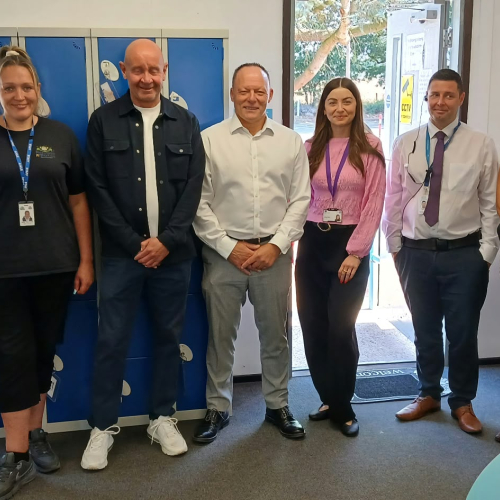
Publications
The Effective Implementation of the Sentencing Act - Report 1: Resettlement
This report from the RR3 Senten
Latest on X
 Clinks @clinks_tweets · 1 year
The role is for a leader from an organisation focused on racially minoritised people, with expertise in service delivery, policy, advocacy, or related areas in criminal justice. Racial disparities are present at every CJS stage. This role ensures these voices are central in shaping policy to help address and eradicate them. Apply by Mon 18 Nov, 10am. More info: https://www.clinks.org/voluntary-community-sector/vacancies/15566 #CriminalJustice #RR3 #RacialEquity