I spent Wednesday 28 February at Conway Hall, London, #Clinks26, and wow - what a day! Coming from a background with lived experience in the justice system, I was curious to understand more about how the sector supports people like me.
From the moment I walked in, the atmosphere was buzzing with a real sense of community with everyone gathered to be welcomed by the Clinks team. The conference brought together people from across the justice voluntary sector for a day full of celebration and collaboration. Over the course of the day’s sessions, it was encouraging and refreshing to see firsthand the effort the sector is going to, to centre lived experience in policy and practice.
Men Do Dance - Dance United Yorkshire
One of the first highlights for me was a performance by Dance United Yorkshire, a National Criminal Justice Arts Alliance member who deliver contemporary dance activities that expands access to the arts. The talented performers captivated the audience with an incredibly moving performance and told their story through dance and poetry with so much emotion that the whole room gave them a standing ovation. Speaking to the men before their performance, they were open about their apprehension and nerves - seeing their faces light up at the end of their number left me feeling so moved and inspired by their message and bravery.

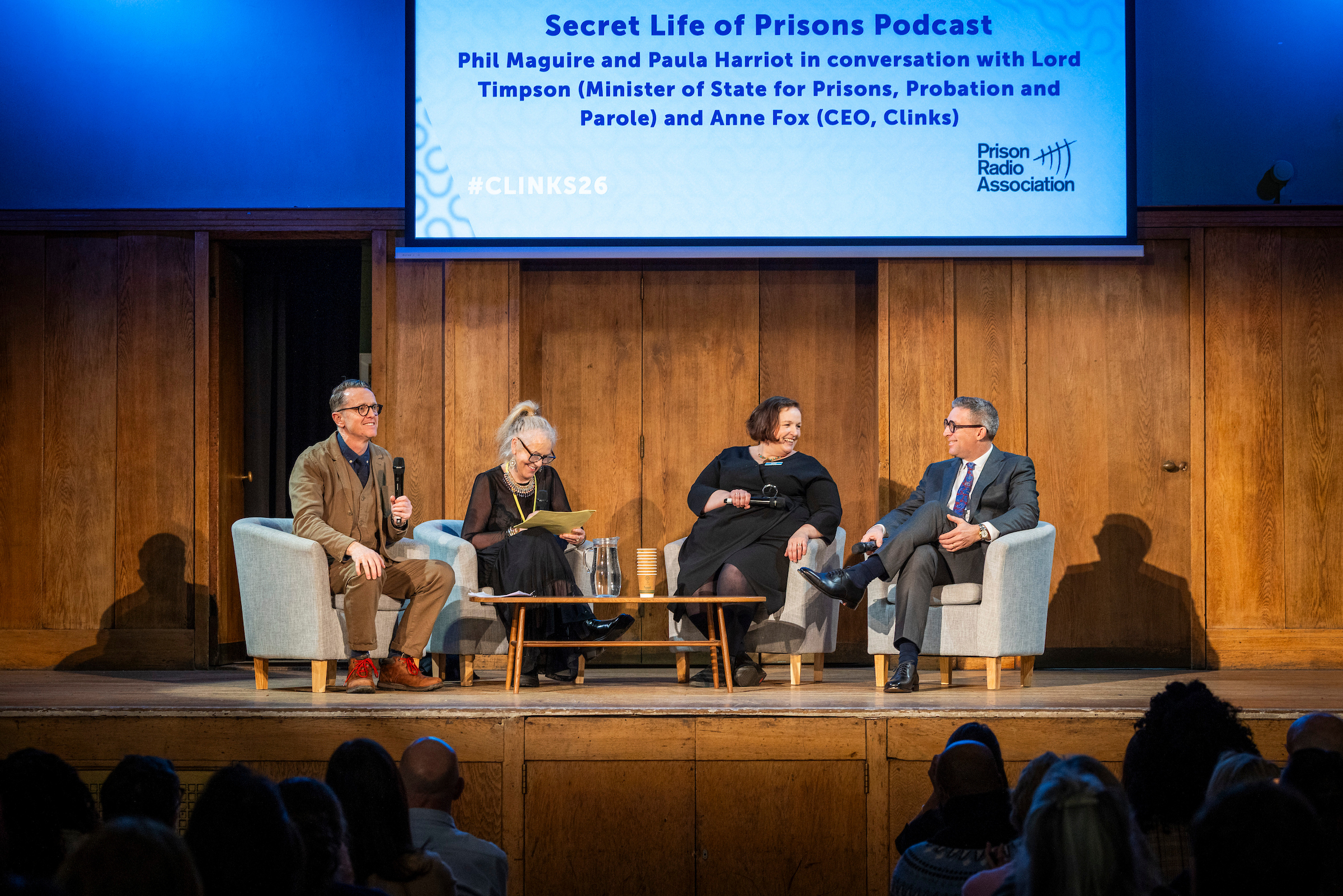
‘Secret Life of Prisons’ Podcast - Prison Radio
The morning concluded with an entertaining and informative podcast conversation exploring justice system challenges and the role of the voluntary sector. We (the live audience!) were treated to hosts Paula Harriott, Unlock, and Phil Maguire, Prison Radio, in conversation with Anne Fox, Clinks, and Lord James Timpson, Minister of State for Prisons, Probation and Reducing Reoffending, who covered everything from prisons to probation and sentencing to, of course, the voluntary sector. Witnessing the positive and constructive relationship between Anne and Lord Timpson really struck me; it’s not something I’d have seen in any other setting, and it left me reassured that the vital role the sector plays in supporting people affected by prison is genuinely understood. I’ve relisted to the recording and I’d highly recommend it - you can listen to the podcast here.
Morning Workshops
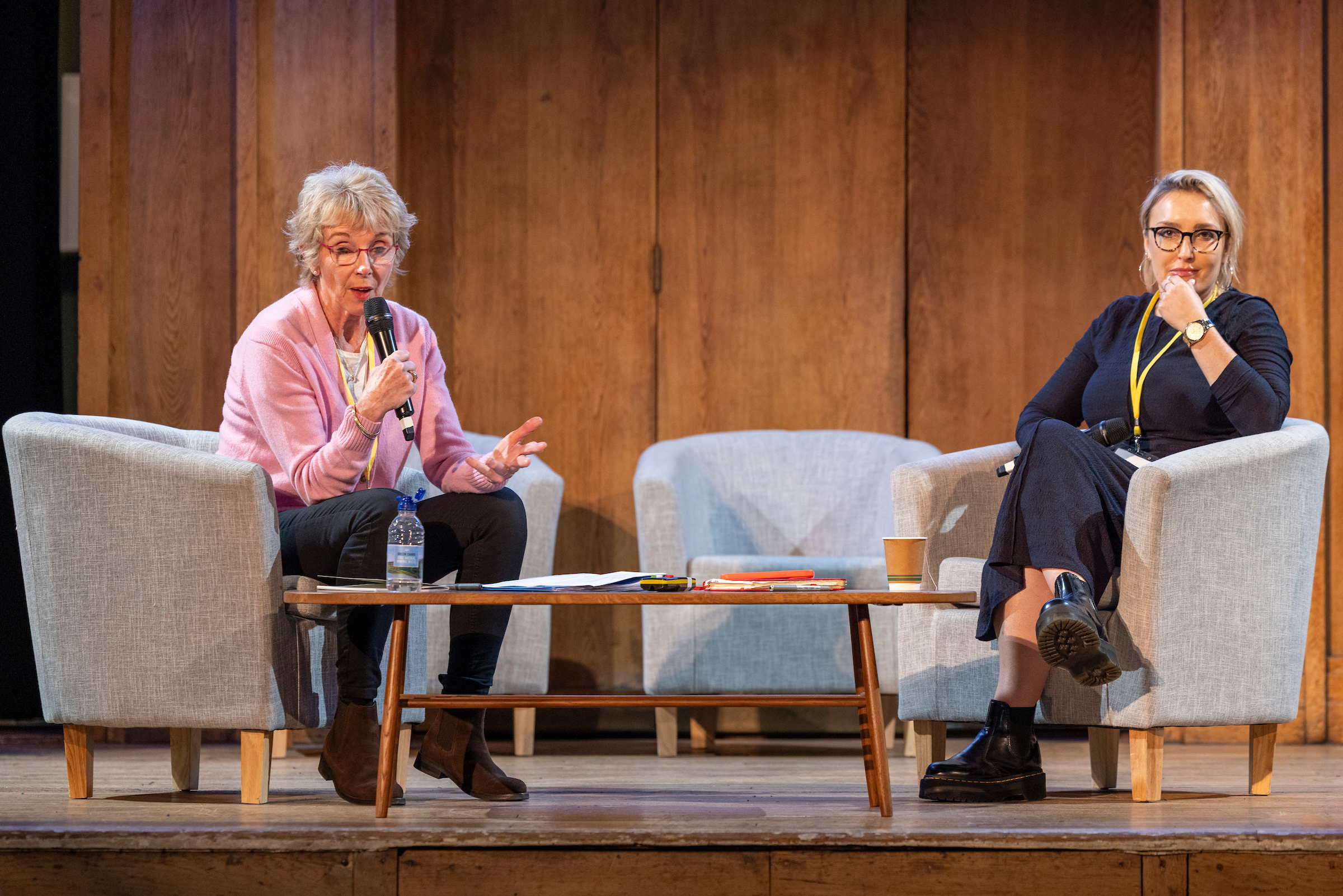
Reimagining Support for Young Women and Girls in the Criminal Justice System - Her Insight Collective
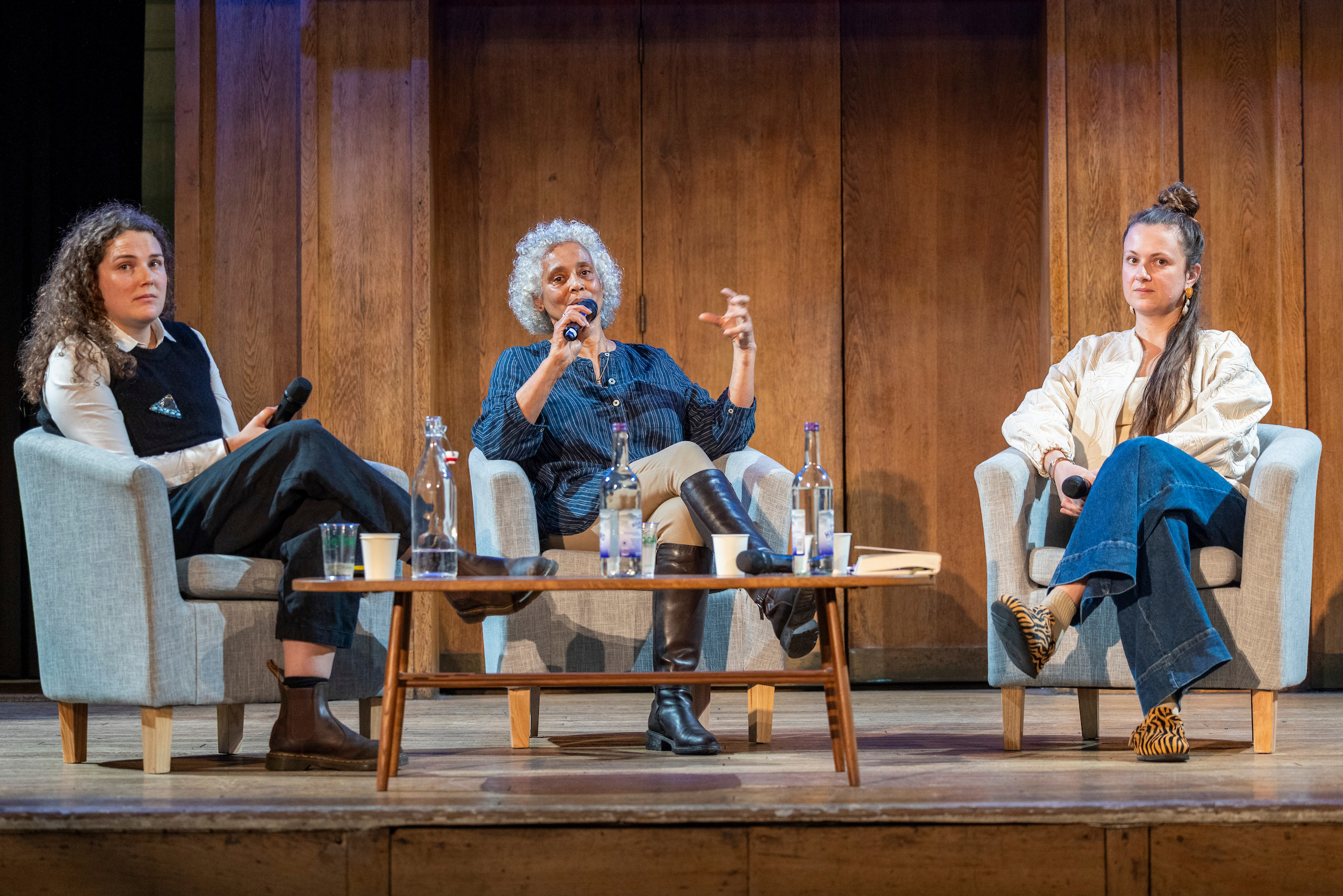
This session with Her Insight Collective was a real wake-up call. Nearly 20 years after Baroness Corston’s report (LINK), and subsequent publications such as the Concordat (LINK) and the Female Offender Strategy (LINK) as well as the establishment of the women’s justice board, the system still struggles to meet the needs of women and girls. Roma Hooper OBE and Dr Gemma Birkett drew on evidence to highlight the harm caused by fragmented interventions. What stood out most was the focus on early, community-led support and how centering lived experience can create genuinely purposeful change.
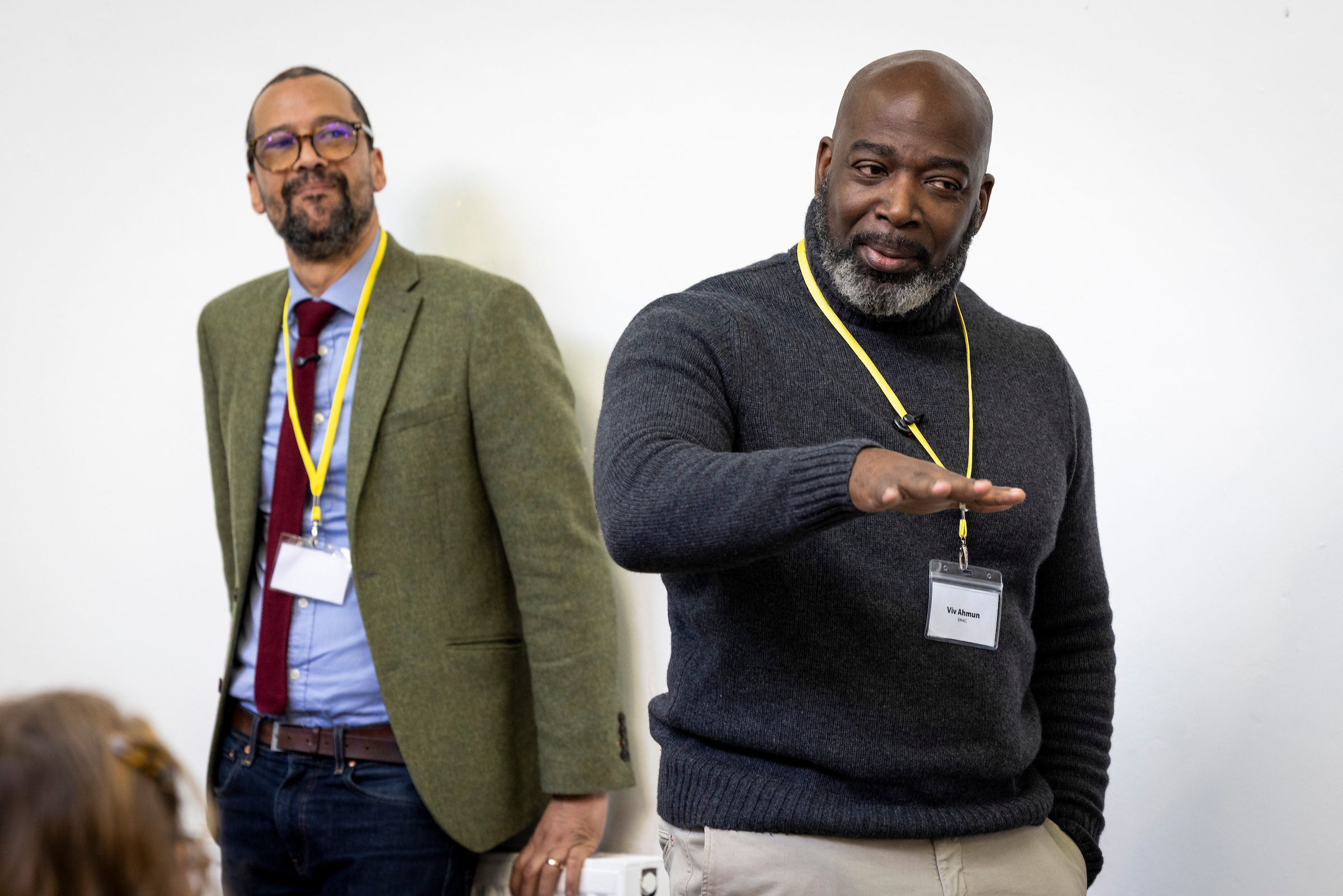
Amplifying Black and Brown Voices: A 360° Disruption of the Criminal Justice Status Quo - Black Men 4 Change
Black Men 4 Change sparked an energetic discussion on centring Black and Brown voices in justice reform. The session covered the challenges faced in this area, and how publications like the Race & Justice Network newsletter can really serve by-and-for organisations. The conversation was so interactive, it felt like everyone left having contributed to shaping the sector’s next steps.
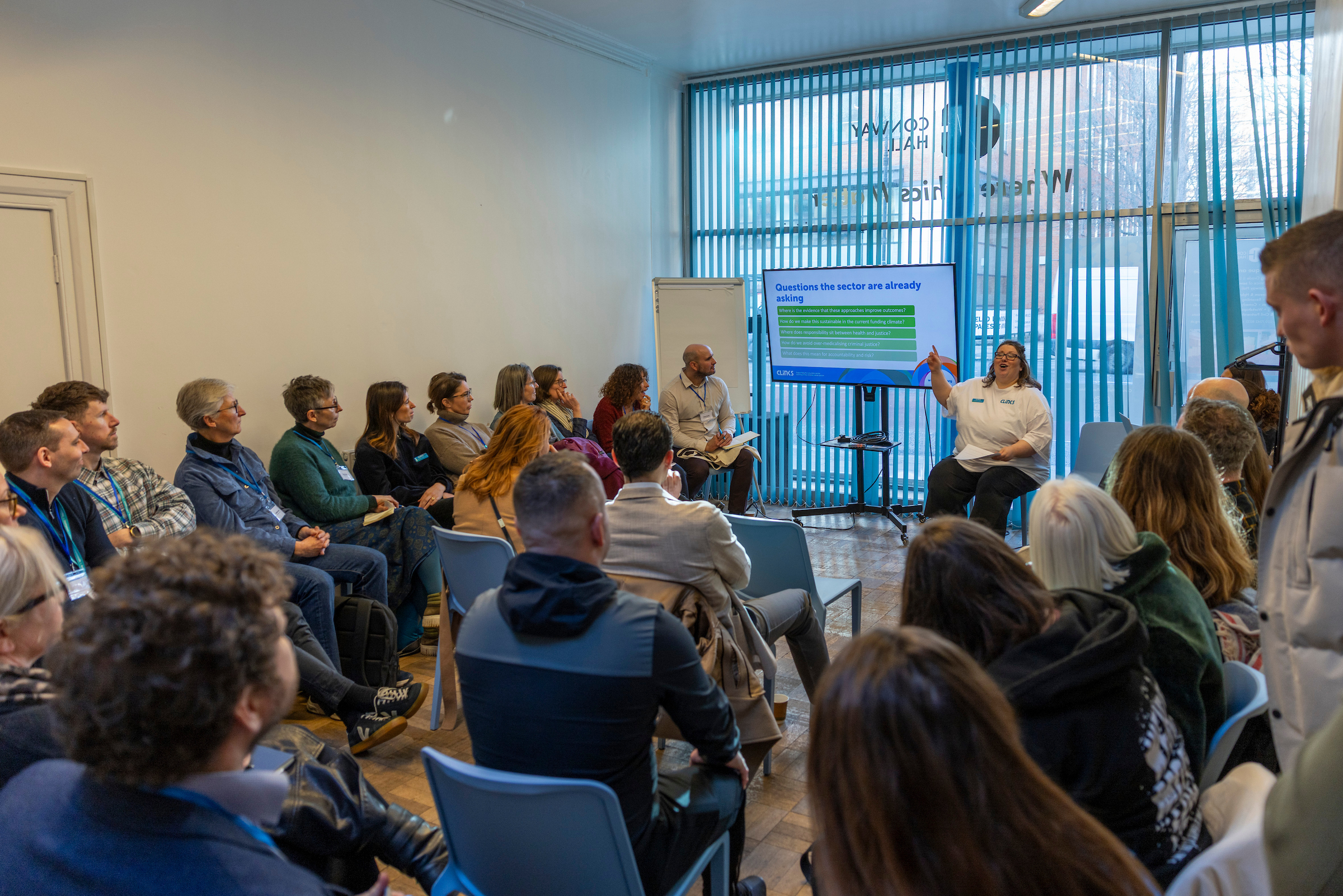
From Connection to Change: Why Health is Now Central to Criminal Justice and What Works - Clinks
This workshop explored why health and wellbeing are now central to the criminal justice system and how approaches such as social prescribing, trauma-informed practice and lived experience co-production are driving better outcomes. I was thrilled to see the session led by Leanne Jeffery, Clinks, whose lived experience brought depth and credibility to the discussion. Bringing together around 40 voluntary sector organisations and statutory partners, discussions highlighted how complex, overlapping health needs increasingly inform justice responses, with the greatest risks emerging at points of transition between custody and the community. Attendees shared their experiences of persistent gaps including delays in access to care, poor coordination, stigma and inconsistent provision, alongside a tendency to separate healthcare from rehabilitation. The discussion reinforced the crucial role the voluntary sector plays in building trust and making sure people don’t fall through the cracks.
Afternoon Workshops
Behind the film ‘Holloway’: What comes next? - Producers and Cast
The makers of the award-winning ‘Holloway’ shared their co-creative process, offering insights into trauma-informed filmmaking as a powerful case study for narrative change. Reflecting on the reunion of six women inside the now-abandoned Holloway Prison, the discussion unpacked how lived experience and collaboration influenced a film that exposes systemic failure and the power of sisterhood. The session also looked ahead to the film’s next phase, inviting conversation on the impact it can have across the sector, the actions it might catalyse, and how organisations can engage through screenings and impact activity. The film makers explained perfectly how lived experience can guide storytelling to drive real change, positioning ‘Holloway’ as a potential blueprint for future trauma-informed arts projects.
Breaking through the glass ceiling. A discussion on how a strong network of Lived Experience Leadership can create impact - RIFT Social Enterprises and Clinks
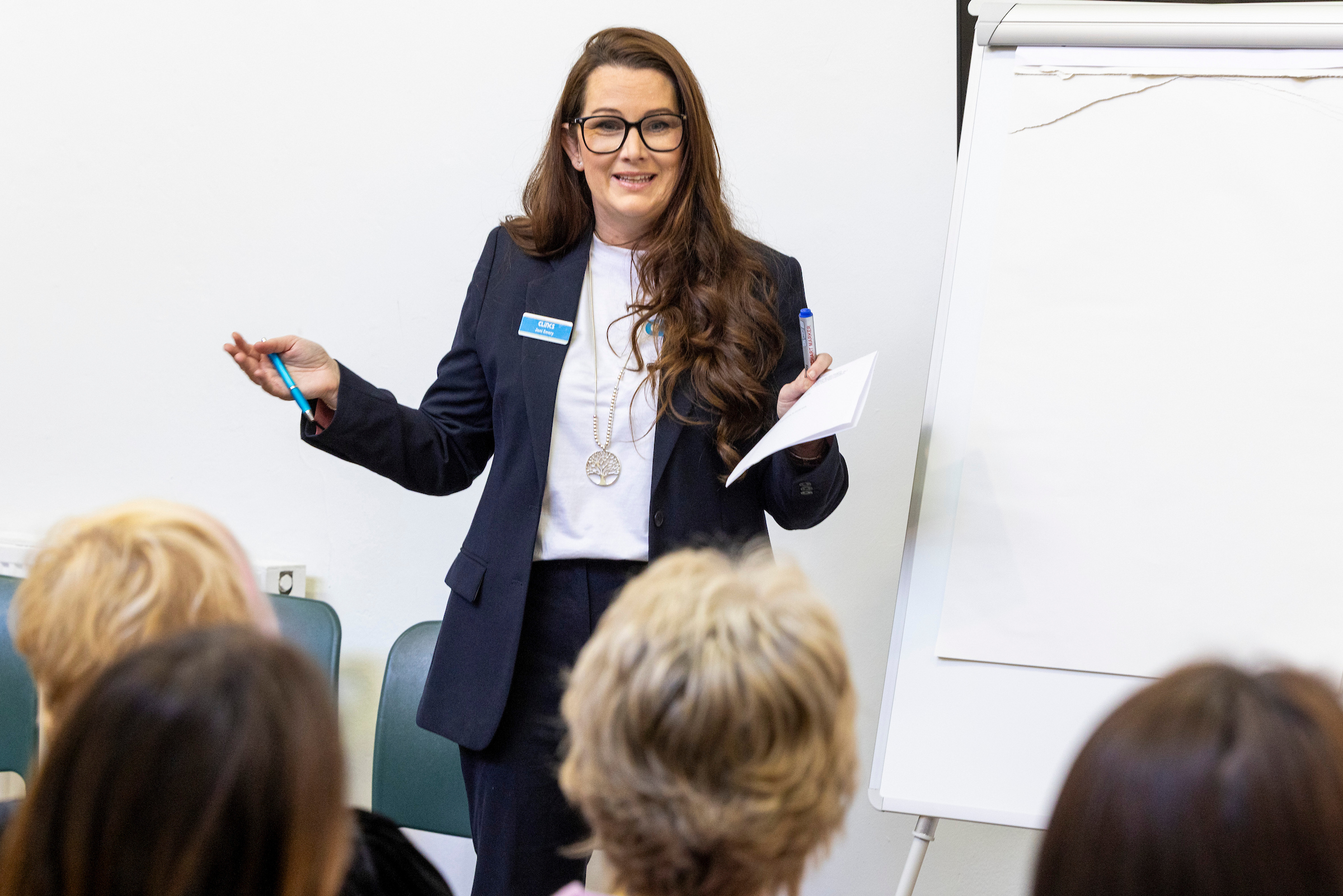
This engaging workshop on co-designing Lived Experience Leadership in the voluntary sector, focused on progression, and breaking the glass ceiling in senior roles, boards, trusteeships, and public appointments. Led by Joni and Oliver, whose lived experiences framed the conversation, we explored what leadership really looks like, the barriers people face, and the impact of centering lived experience. The energy in the room was contagious, and it was exciting to see plans for follow-up online forums already taking shape.
Using creative practices to reshape personal, communal, and societal narratives - Odd Arts and NCJAA
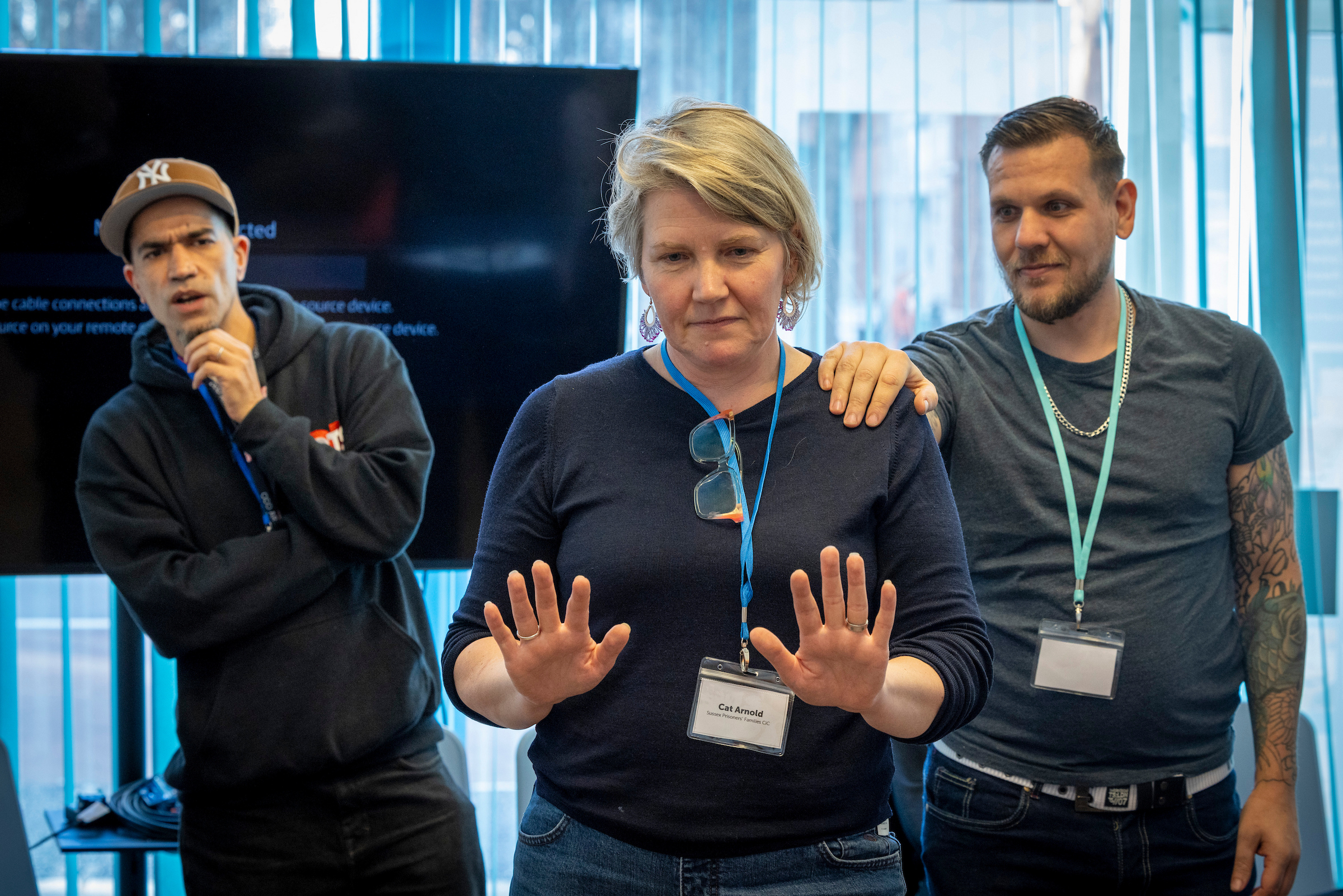
Odd Arts challenged us to think about how creative practices can challenge division and reshape narratives in justice settings. Grounded in trauma-informed practice, the session highlighted the power of theatre to strengthen community connections and contribute to a more inclusive society.
Afternoon Panel Discussion
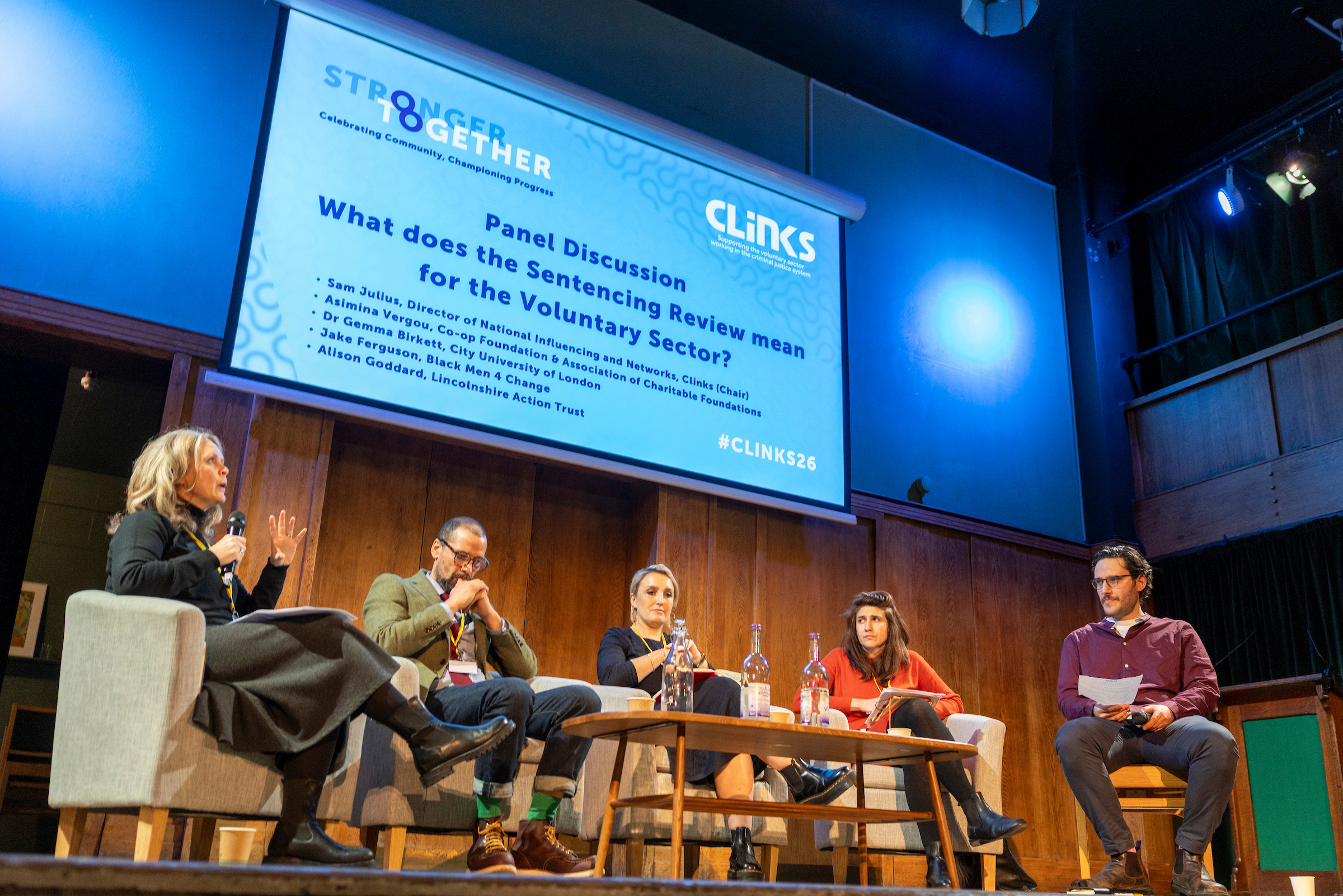
What does the Sentencing Review mean for the Voluntary Sector?
After lunch, all attendees were gathered to hear expert panellists [LIST NAMES] share their perspectives on the Independent Sentencing Review and its potential impact on the voluntary sector. They unpacked the Review’s recommendations, reflecting on potential impacts, opportunities, and challenges for organisations. It was reassuring to hear honest hopes and concerns from each panelist, and reminded everyone of how adaptable and resilient the sector is.
Closing Address
The day wrapped up with a heartfelt farewell to Anne Fox, outgoing CEO of Clinks and a warm welcome to incoming CEO, Summer Alston-Smith. Anne reminded us why this sector matters and the incredible difference we can make when we work together.
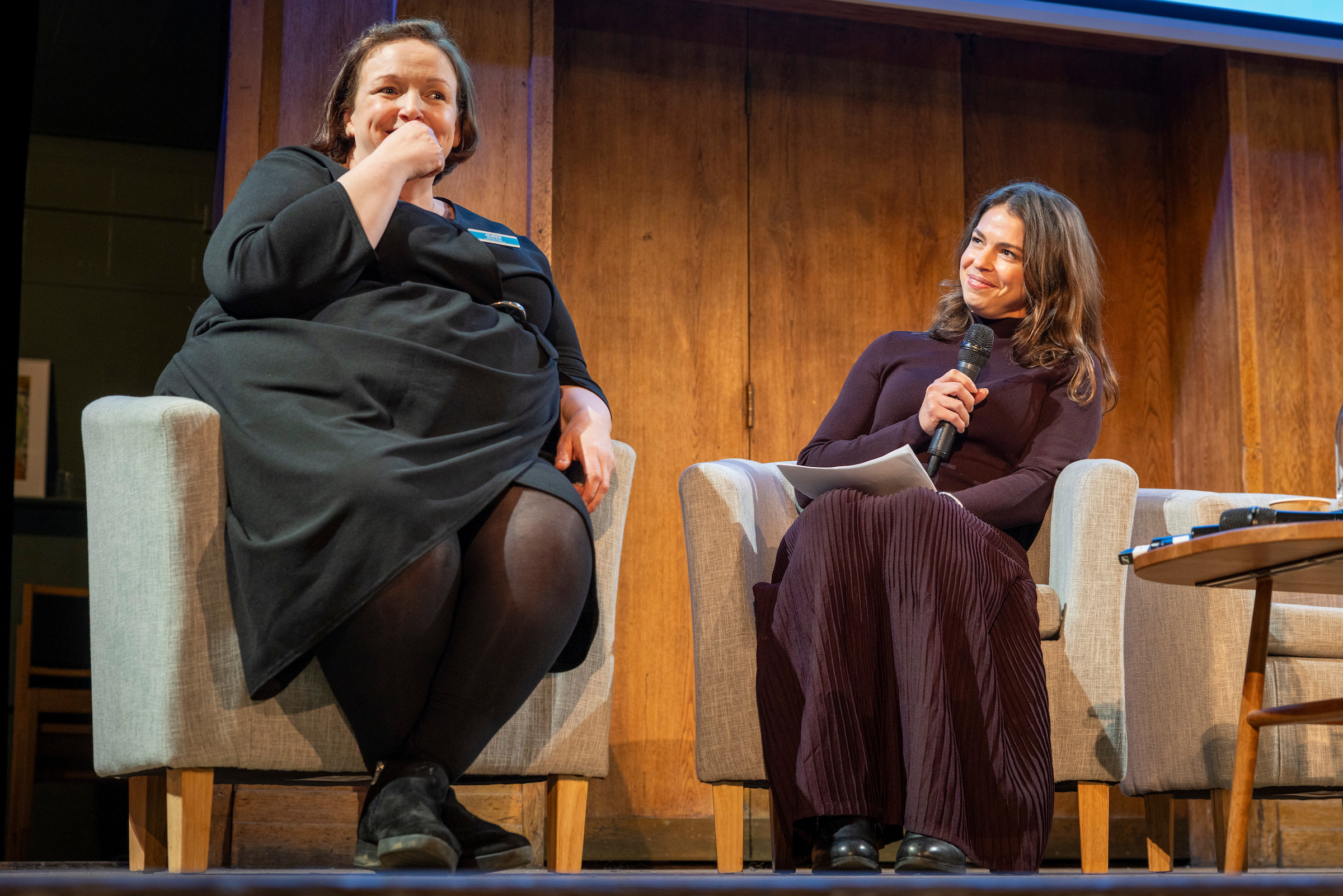
Leaving Conway Hall, on the way to a small celebration for Anne before heading back to Cardiff, I felt proud to be part of a sector that values lived experience and continually pushes for meaningful change.
What's new
Publications
The Independent Review of the Prison System’s Call for Evidence – Clinks’ Response
This response sets out Clinks’
Latest on X
 Clinks @clinks_tweets · 2 years
The role is for a leader from an organisation focused on racially minoritised people, with expertise in service delivery, policy, advocacy, or related areas in criminal justice. Racial disparities are present at every CJS stage. This role ensures these voices are central in shaping policy to help address and eradicate them. Apply by Mon 18 Nov, 10am. More info: https://www.clinks.org/voluntary-community-sector/vacancies/15566 #CriminalJustice #RR3 #RacialEquity